Fava Applique Font: A Holiday Embroidery Review
As the holiday season approaches, my design studio shifts into high gear. Planning a seasonal collection requires more than just festive motifs; it demands typography that carries emotional weight and commercial viability. When browsing Creative Fabrica embroidery resources for this year’s lineup, the Fava Applique Font immediately caught my attention. As an experienced designer creating for Etsy sellers and small business owners, I evaluate every machine embroidery design through a lens of production efficiency and buyer appeal. This review breaks down how Fava performs in real-world holiday embroidery projects, from personalized gifts to limited-edition apparel.
First Impressions: Festive Warmth and Structural Integrity
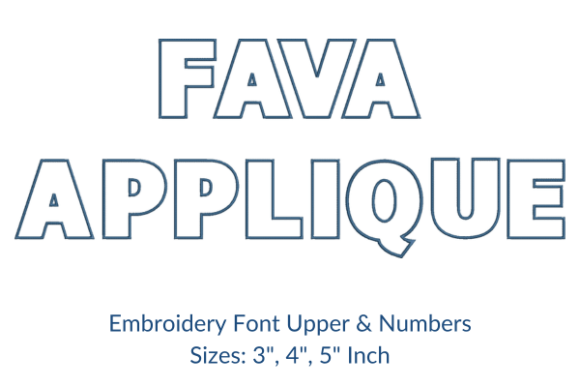
My initial assessment of the Fava Applique Font focuses on its visual tone. Seasonal products require a specific aesthetic balance—festive yet legible, playful yet premium. Fava strikes a chord of nostalgic warmth that feels inherently cozy. The letterforms possess a softness that avoids looking overly digital or rigid, making them ideal for handmade gift items where personal touch is paramount. Unlike standard satin stitch fonts that can sometimes feel flat, the appliqué construction adds necessary texture and dimension.
For Etsy seller listings and social media previews, this font photographs beautifully. The raised fabric surface catches light differently than thread alone, adding perceived value to product mockups. It reads as intentional and artisanal rather than mass-produced. This distinction matters significantly when competing in saturated seasonal embroidery markets. The style bridges rustic charm and modern cleanliness, allowing it to work across diverse product categories without feeling out of place.
Seasonal Applications: From Sweatshirts to Stockings
Versatility drives profitability during the holidays. I tested concepts for several key small shop product categories using this embroidery file. For sweatshirt embroidery, Fava excels at family name placements and holiday quotes. The bold nature of appliqué ensures readability on fleece and French terry fabrics, even from a distance in craft fair displays or Instagram feeds. The font weight holds up against the pile of cozy garments without disappearing.
Kitchen towel embroidery presents unique challenges due to terry cloth texture and frequent washing. Here, Fava’s coverage area proves advantageous. The fabric layer protects underlying stitches from wear while providing a smooth canvas for crisp lettering. Similarly, tote bag design benefits from this durability. Canvas and linen totes intended as hostess gifts or market bags need typography that withstands handling. The structural stability of this digital embroidery file supports heavier-weight substrates effectively.
For home decor, I envision this font on pillow cover sets featuring family traditions or seasonal greetings. The tactile quality invites touch, enhancing the sensory experience of handmade holiday decor. Even smaller applications like ornament personalization or embroidered patch creation show promise, provided sizing remains within optimal parameters. The font’s character spacing allows for flexible layout adjustments needed when fitting names onto curved or irregular surfaces.
Technical Considerations for Holiday Production
While aesthetically pleasing, appliqué fonts demand technical respect. During my evaluation, I noted several areas where careful execution prevents production failures. First, stitch density must be monitored closely. Appliqué involves multiple steps: placement line, tack-down, trim, and final border. On stretchy garments like sweatshirts, inadequate stabilization causes puckering that ruins the professional finish. Always use appropriate stabilizer combinations—typically cutaway for knits and tear-away for wovens—and test before bulk production.
Hoop size selection directly impacts registration accuracy. Larger hoops reduce rehooping but increase drift risk on multi-needle machines. For single-needle users working on personalized gift items, smaller hoops often yield sharper results by maintaining tighter fabric tension. I recommend verifying minimum height requirements before purchasing. Tiny lettering rarely translates well in appliqué format; the fabric layers simply cannot accommodate extreme reduction without fraying or loss of definition.
Fabric choice also influences outcomes. Dark fabrics require careful planning since appliqué typically uses contrasting material. Metallic threads add holiday sparkle but increase breakage risk and needle wear. Test thread colors and specialty threads on scrap fabric matching your final project’s fabric texture. What works on cotton may fail on minky or velvet. These variables affect both machine performance and final appearance in printable mockup photography versus actual finished product.
Navigating Licensing and Commercial Use
Before incorporating any Creative Fabrica embroidery asset into sellable goods, verify licensing terms directly on the product page. While many designers offer generous commercial licenses permitting sale of physical embroidered items, restrictions often apply to digital redistribution or unaltered file sharing. Understanding these boundaries protects your business and respects creator rights. Check whether attribution is required and if there are limits on unit quantities for commercial embroidery ventures. This due diligence prevents costly misunderstandings later.
Enhancing Buyer Emotion and Product Value
Holiday shopping is fundamentally emotional. Customers seek connection, tradition, and meaning in their purchases. Typography choices communicate these intangibles instantly. Fava’s handcrafted appearance signals care and authenticity that generic fonts cannot replicate. When buyers see this lettering on a baby blanket or anniversary ornament, they perceive human involvement rather than automated output. This perception justifies premium pricing for personalized gift items.
Brand consistency across seasonal collections builds recognition and trust. Using Fava as your primary holiday typeface creates visual cohesion between disparate products. A customer who loves your embroidered stockings will recognize the same thoughtful typography on matching aprons or gift tags. This strategic consistency strengthens brand identity during peak shopping periods when competition intensifies. The font becomes part of your signature style, not merely decorative filler.
Practical Designer Notes for Success
- Always stitch samples first: Never assume screen rendering matches physical output. Test on actual project fabric with intended stabilizers and threads before accepting custom orders.
- Verify file compatibility: Confirm your machine reads the provided format correctly. Some software converts appliqué steps differently; validate placement lines align properly before production runs.
- Plan color palettes early: Holiday collections benefit from coordinated thread selections. Test Fava in traditional reds, forest greens, golds, and neutrals to ensure versatility across product lines.
- Document settings meticulously: Record successful stabilizer types, needle sizes, and tension adjustments for each fabric combination. This knowledge accelerates future seasonal production cycles.
- Create realistic mockups: Photograph actual stitched samples rather than relying solely on digital renders. Authentic imagery builds customer confidence and reduces return rates for Etsy seller shops.
- Check product details thoroughly: Review included sizes, formats, and special instructions on Creative Fabrica before purchase. Assumptions about contents lead to disappointment and wasted time during busy seasons.
Making the Decision for Your Holiday Collection
Incorporating new typography mid-season carries inherent risk, but calculated additions can refresh stagnant offerings. Based on my evaluation, Fava Applique Font merits serious consideration for designers seeking warm, textured lettering with broad seasonal applicability. Its strengths lie in medium-to-large scale applications on stable fabrics where dimensional quality enhances perceived craftsmanship. Weaknesses emerge primarily at small scales or on highly unstable materials lacking proper support.
For school spirit wear transitioning into winter fundraisers, this font offers crossover potential beyond pure holiday themes. Family reunion items, teacher appreciation gifts, and community event merchandise all benefit from its approachable elegance. Ultimately, success depends less on the font itself and more on thoughtful implementation aligned with your specific equipment capabilities, target audience preferences, and production workflows.
I recommend downloading sample files if available, stitching tests on representative fabrics, and evaluating results against your quality standards before committing to full collection integration. When executed properly, Fava delivers the festive warmth and professional polish that holiday shoppers crave in meaningful handmade gift items. The investment in learning its nuances pays dividends through enhanced product appeal and streamlined seasonal production.