Greek Stone Font Embroidery Design: A Craft Fair Review
First Impressions: Bold, Rustic, and Timeless
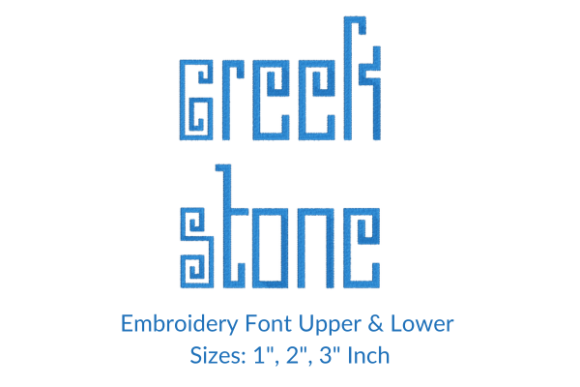
As an embroidery designer prepping for a weekend craft fair, I immediately noticed that the Greek Stone Font Embroidery Design carries a strong, rustic charm. It’s not delicate or overly decorative—it’s bold, structured, and feels like a modern interpretation of ancient lettering. This makes it ideal for products that aim to stand out with a touch of history and craftsmanship.
It’s not a “cute” font, nor is it minimalist or farmhouse. Instead, it leans into a premium, almost academic aesthetic that could appeal to school-themed items, personalized gifts, or boutique home goods. The title alone suggests durability and a carved-in-stone presence, which is a great hook for handmade sellers looking to add weight and meaning to their embroidery.
How It Works Across Craft Fair Products
The versatility of this machine embroidery design lies in its structure. It can be used for both small personalization and as a statement design, depending on placement and size. Here’s how it performs across common craft fair products:
- Tote Bags: Perfect for adding a name, quote, or short phrase. The font’s clean lines and bold presence make it readable from a distance, which is ideal for booth displays.
- Aprons: Works well on chest or hem placement. It gives a professional, artisanal vibe—great for kitchen or craft aprons.
- Tea Towels: On textured fabric, this font holds up well. Just be mindful of thread contrast and fabric texture—test on a few linen blends before batch production.
- Caps: Curved surfaces can distort small lettering. Stick to 3–4 letters max for best clarity on curved cap panels.
- Embroidered Patches: Ideal for creating personalized patches with names or short sayings. The design’s density helps it maintain definition even when cut out.
- Fabric Pouches & Small Items: Use sparingly—smaller sizes may lose some of the font’s character, especially in tight corners or thin strokes.
- Pillow Covers: Great for adding a single word or short phrase. The font’s weight gives a boutique-quality finish that elevates handmade home decor.
- Printable Mockups: Photographs of this design render well online, especially on light backgrounds. It reads clearly in digital listings, helping Etsy sellers showcase their work effectively.
Selling Points: What Makes It Market-Ready?
For a craft fair or handmade market, the Greek Stone Font Embroidery Design has several advantages:
- Instant Readability: Even from a few feet away, the font is easy to read. This makes it ideal for booth signage or product samples that need to catch attention quickly.
- Batch-Friendly: Once you’ve tested it on your preferred fabric, it’s repeatable across multiple items. This is a major plus for small shop owners looking to streamline production.
- Photogenic: The structured lines and consistent stitch density help it photograph cleanly. This is key for Etsy sellers and digital crafters who rely on strong visual content.
- Commercial Appeal: As a versatile font, it can be used across a range of products—ideal for those selling commercial embroidery or digital embroidery files.
Where to Use It Wisely (and Where to Watch Out)
While the Greek Stone Font Embroidery Design is a solid choice, there are a few practical notes to consider before production:
- Dense Stitch Areas: Check for overly tight stitching, especially in corners or thick letter bases. These areas may pucker on lightweight fabrics.
- Small Lettering: Avoid going under 0.5 inches in height. Tiny letters may close in or lose detail, especially on textured towels or thick denim.
- Dark Fabric: This font tends to look best with high thread contrast. Test on dark backgrounds with light thread to ensure legibility.
- Curved Surfaces: Caps and curved pillow forms can distort the design slightly. Always test on a hoop mockup before final stitching.
Visual Impact and Booth Appeal
At a craft fair, your booth display needs to stand out fast. The Greek Stone Font Embroidery Design adds a level of sophistication and handmade quality that customers notice. It suggests intention and craftsmanship—two qualities that elevate your product from “just embroidered” to “thoughtfully designed.”
Used consistently across tote bags, tea towels, and pillow covers, this font can help build brand consistency. Customers will begin to associate the style with your booth or shop, reinforcing your handmade identity.
Practical Embroidery Designer Notes
Before diving into production, here are a few steps I always take with any new embroidery file:
- Test on Scrap Fabric: Always start with a real mockup. Don’t rely solely on printable mockups—see how it stitches in person.
- Check Thread Contrast: Especially on darker or patterned fabrics, make sure your thread color pops.
- Review Spacing: Ensure letters aren’t too tight or too far apart. Adjust if needed for readability.
- Confirm Hoop Size: Know your machine’s limitations. Some fonts may require larger hoops for full names or phrases.
- Inspect Stitch Density: Dense areas can cause puckering or stiffness—especially on thinner materials.
- Use the Right Stabilizer: For thick or textured fabric, use a medium-weight tear-away or cut-away stabilizer for best results.
- Compare Fabric Colors: Run a few samples on light, medium, and dark tones to see where the font shines.
- Confirm Commercial Licensing: If you’re selling finished products or digital embroidery files, always verify the licensing terms of the design asset.
Final Thoughts: A Strong Addition to Your Embroidery Lineup
The Greek Stone Font Embroidery Design isn’t just another font—it’s a design that brings weight, history, and readability to your handmade products. Whether you’re creating tote bags for a craft fair or personalized aprons for your Etsy shop, this font can help you stand out in a crowded market.
It’s not overly trendy, which is a bonus—it’s got staying power. And for creative entrepreneurs and boutique makers, that kind of timeless quality is exactly what you need to build a sustainable handmade business.