Patchwork Letter W: A Designer’s Sweatshirt Review
As an embroidery designer preparing for a seasonal capsule collection, I am constantly evaluating which digital assets will translate best from screen to fabric. When sourcing a new machine embroidery design for a boutique brand, the file must offer more than just aesthetic appeal; it requires structural integrity and commercial viability. My latest evaluation focuses on the Patchwork Letter W, a design that promises versatility across home decor and apparel. For small clothing brands and Etsy sellers looking to elevate their custom apparel offerings, understanding how this specific motif performs on premium sweatshirts is critical before committing to production.
First Impressions and Design Personality
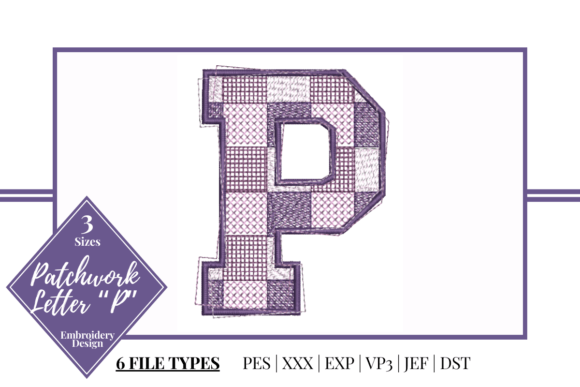
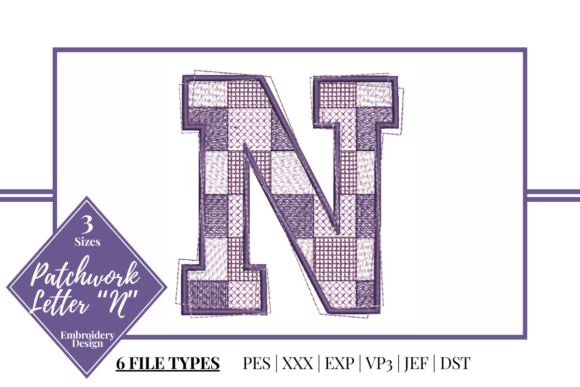
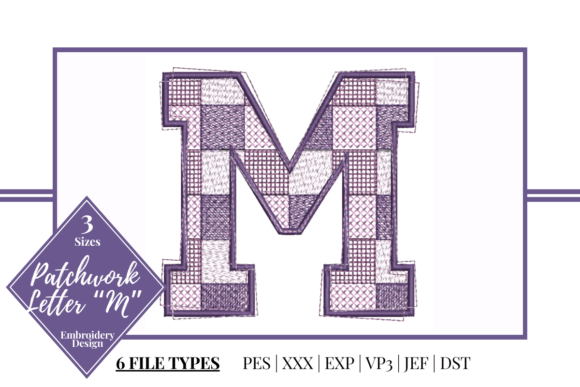
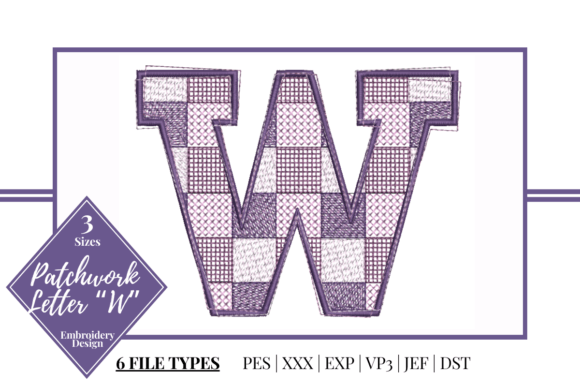
Upon loading the embroidery file into my digitizing software, the Patchwork Letter W immediately presents a distinct visual texture. Unlike standard collegiate block letters or delicate script fonts, this design utilizes a segmented, quilt-inspired layout. The mood strikes a balance between nostalgic school spirit and modern cottage-core aesthetics. It feels inherently handmade, which is a massive selling point for creative entrepreneurs targeting customers who value artisanal quality over mass-produced fast fashion.
The "patchwork" effect creates natural color-blocking opportunities within the letterform itself. This is not merely a filled shape; it is a composition of smaller geometric or organic segments that mimic fabric piecing. For a small shop product, this detail level adds perceived value. It suggests complexity and thoughtfulness without being overly dense or heavy. The personality of the Patchwork Letter W leans towards playful yet refined, making it suitable for both feminine boutique collections and unisex cozy wear. It avoids looking juvenile, instead offering a sophisticated take on letter-based sweatshirt embroidery.
Application Across Apparel Silhouettes
When planning a limited drop, versatility is key to maximizing return on investment. I tested the placement and scale of the Patchwork Letter W across three distinct garment types to gauge its commercial flexibility.
Oversized Hoodies and Chest Placement
For oversized hoodies, left-chest placement is the industry standard for commercial embroidery. The Patchwork Letter W scales beautifully to this 3-to-4-inch range. Because the design relies on internal segmentation rather than fine lines, it remains legible even at smaller sizes. On a dark charcoal or navy hoodie, using cream or oatmeal thread colors creates a high-contrast, vintage university look that photographs exceptionally well for lifestyle marketing.
Neutral Sweatshirts and Center Alignment
On neutral-toned crewneck sweatshirts, centering the design allows the patchwork texture to become the focal point. Here, the design acts as a standalone graphic. I found that tonal embroidery—using threads only slightly darker or lighter than the base fabric—creates a subtle, premium embossed effect. This approach appeals to minimalist buyers and works perfectly for seasonal autumn or winter collections where texture matters more than bright color.
Sleeve Accents and Cuff Details
A unique application for this hoodie design is wrist cuff placement. The modular nature of the Patchwork Letter W allows it to wrap slightly around curved surfaces without distorting. This is an excellent spot for adding brand initials or personalized monograms for Etsy seller custom orders. It transforms a basic blank into a bespoke handmade product with minimal additional stitch time.
Technical Performance and Production Concerns
A pretty design fails if it ruins the garment. As a professional, my primary concern during test stitching was how the Patchwork Letter W interacts with heavy fleece and French terry fabrics. Sweatshirt embroidery presents specific challenges regarding stabilization and registration.
- Stabilizer Selection: Due to the stretchy nature of knit sweatshirt fabric, a single layer of tear-away is insufficient. I recommend a medium-weight cutaway stabilizer fused with temporary spray adhesive. The patchwork segments require a stable foundation to prevent gaps between color changes.
- Stitch Density Management: The design appears optimized for apparel, avoiding excessive underlay that can cause bulletproofing (stiff, puckered fabric). However, always run a sew-out on your exact target fabric. Fleece thickness varies wildly between suppliers, and you may need to adjust top thread tension to accommodate deeper pile textures.
- Color Change Efficiency: While the description notes that colors can be altered based on your machine's palette, be mindful of production speed. True patchwork styles often involve multiple stops. For a digital embroidery file intended for commercial runs, verify the color sequence in your software to minimize unnecessary trims and jumps.
- Fabric Texture Compatibility: This design shines on smooth-face fleece but may lose definition on high-pile sherpa. If producing for textured fabrics, consider increasing the spacing between patchwork segments to account for fabric loft pushing stitches apart.
Brand Identity and Market Positioning
In the saturated market of online apparel, visual recognition drives sales. The Patchwork Letter W serves as a strong anchor for brand identity because it bridges two popular niches: academic nostalgia and domestic comfort. For a boutique brand, this duality expands your potential customer base. It appeals to sorority alumni seeking refined merch, teachers wanting stylish classroom wear, and mothers looking for personalized family apparel.
Furthermore, the adaptability of this design supports cohesive branding. You can use the same design assets across sweatshirts, tote bags, and nursery pillows, creating a unified collection aesthetic. Consistency builds buyer trust. When customers see that your finished product maintains high quality across different items, they are more likely to become repeat buyers.
Merchandising and Visual Presentation
The success of an Etsy seller often hinges on photography. The Patchwork Letter W is inherently photogenic due to its textural variance. When creating printable mockup previews or listing photos, ensure you capture the dimensionality of the stitches. Flat lay photography should utilize natural side lighting to cast micro-shadows within the patchwork segments, emphasizing the tactile quality of the embroidery.
For social media content, this design performs well in video format. Close-up reels showing the needle moving through the color blocks highlight the craftsmanship involved. This transparency validates the price point of custom apparel and distinguishes your work from printed alternatives. Remember to showcase the design on diverse body types and fabric colors to demonstrate its universal appeal.
Final Verdict for Commercial Use
After thorough evaluation, the Patchwork Letter W proves to be a robust asset for apparel decorators and creative entrepreneurs. It successfully navigates the line between decorative and functional, offering enough visual interest to stand alone while remaining versatile enough for various placements. Its compatibility with standard hoop size options makes it accessible for multi-needle and single-needle machines alike.
However, a crucial reminder for all users: always verify specific technical specifications before purchasing or stitching. Confirm the exact dimensions, recommended hoop requirements, and license terms directly from the designer or marketplace listing. While the aesthetic is universally appealing, ensuring the embroidery file matches your equipment capabilities is the final step in guaranteeing a successful product launch.
For those building a cozy, school-inspired, or heritage-focused collection, the Patchwork Letter W offers a reliable foundation. It respects the fabric, enhances the garment's value, and provides the creative flexibility necessary for a thriving handmade business. By paying attention to stabilizer choices and thread contrast, this design can transition seamlessly from a digital preview to a best-selling staple in your boutique inventory.